音楽を作ったり非常識超越平和理論を広めたい。某メジャー系音楽事務所元所属。帰国子女~慶應卒。 超音楽オタク。ギフテッド2E or 軽度の発達障害疑惑で精神を病み、10年音楽や思想の考案に没頭。元ニートのアルコール依存。ネットで在野哲学者を名乗り、X(旧ツイッター)では天才や知識人との評価を得ている。また、哲学者ノ・ジェス氏の関係者からSAMURAI1000に推薦された経験あり。新世代哲学塾「非常識超越塾」代表。カルチャースクール哲学講師仮採用。 現在、楽天ブックスにて「AI哲学と倫理を超えるための思考フレームワーク 非常識超越平和理論~Go beyond no common sense~」を販売中。
Hi、my name is KeithU and I'm art thinker. In this blog, mainly I'd like to introduce my orginal philosophical theory. Well, at first let me introduce myself briefly. Let me introduce myself briefly. I've lived in New York before, so I'm a returnee. But, I guess I'm developmentally disabled a little bit. So, I didn't suit the company I've worked before and I gradually started to suffer from mental illness. After that, I took a temporary leave of absence, and then I quit the company. I lost my job and I used to be a bum. And I became a part time worker or worked from home job. At that time, I suffered from mental illness and I was an alcoholic,too. I was worried about my future and had a hard time. Them, I studied many kind of things like philosophy, politics, and religion. Those rough times lasted about 10 years and I suddenly happened to come up with this philosophical theory.
I almost tweet everyday and express my opinion. In twitter, many followers agreed with my thoughts and praised my theory. But this is the first time I explain my theory in this blog so I'm just wondering how readers react to my new idea. So, I'd like to explain as briefly as possible, so that every one could understand. Well, since my childhood older people and school teachers around me would always say to me like "You should be a scholar" or "There is no way that you could be a businessman." I was shocked! But that was true, After starting to work, I felt like I didn't belong to the company, and I started to suffer from depression. After I quit the company, I had a dream that I wanted to be a philopher someady. But I just decided to give up because it would be so difficult for me to be a scholar. But after that I noticed that I couldn't give up soon. So, right now I'm trying to express my opinion and spread my theory to the world on the Internet. I don't intend to change the world or something like that. But I hope my idea will save someone in the world someday.
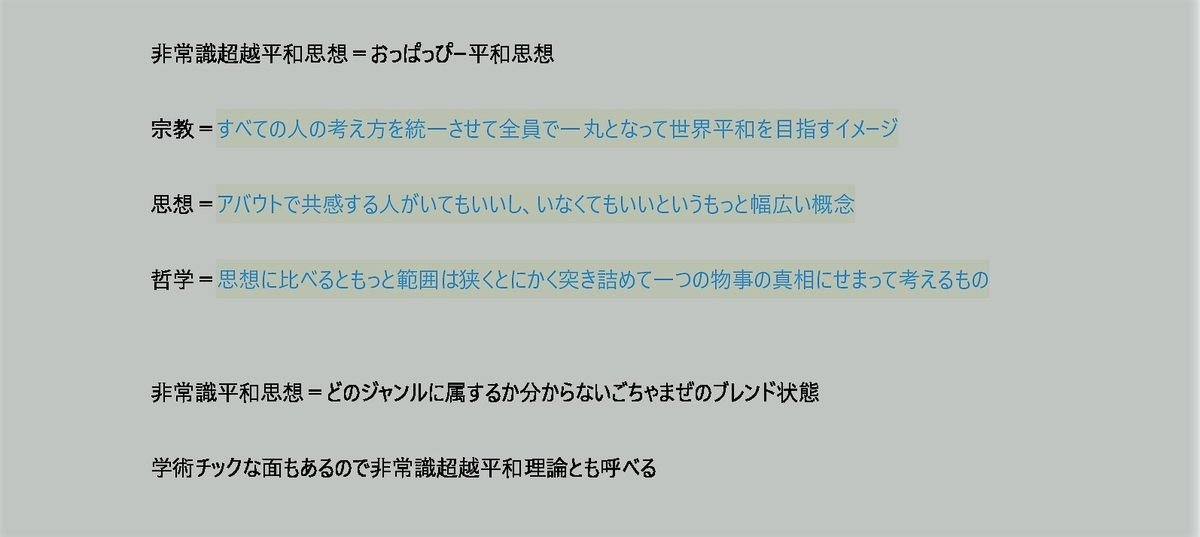
At first, the name of this theory is "no common sense transcendence pacifist thought" and let me explain it step by step. In a word, this theory is a kind of mixture of religion, philosophy and thought. Even I don't understand it, but I guess this philosophy includes the element of academism so it could be the theory,too. In my opinion, religion is something like the ideal or ideology that unify everyone's opinion to seek the world peace. The definition of thought is ambiguous. It's more like wide-ranging concept than a rigid distinction. So, it doesn't matter if you agree or not. Philosophy is a kind of one of the most difficult things to understand and philosophers pursue one thing thoroughly. But, I just read Friedrich Nietzsche's books a little bit so the experts might say I'm wrong. I just thought like that after studying those things by myself. Well, let me explain my theory step by step in the blog. If you'd agree with me, please subscribe to my channel in You tube,too
Please click the link below to watch the video in You tube.
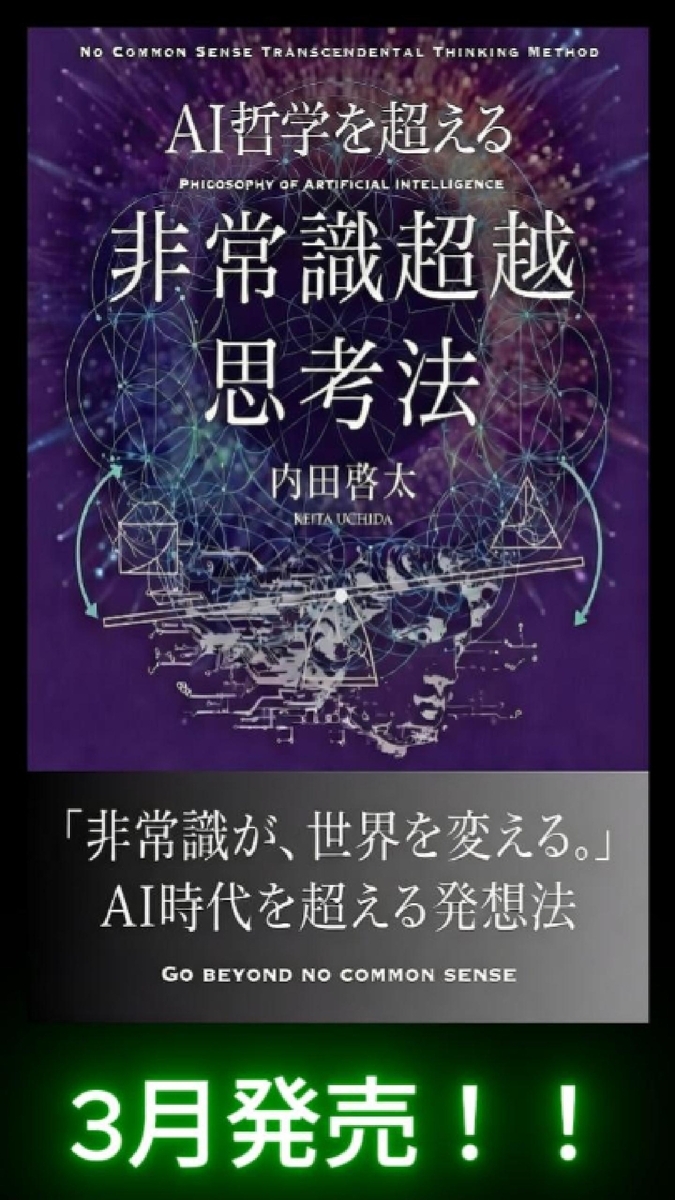
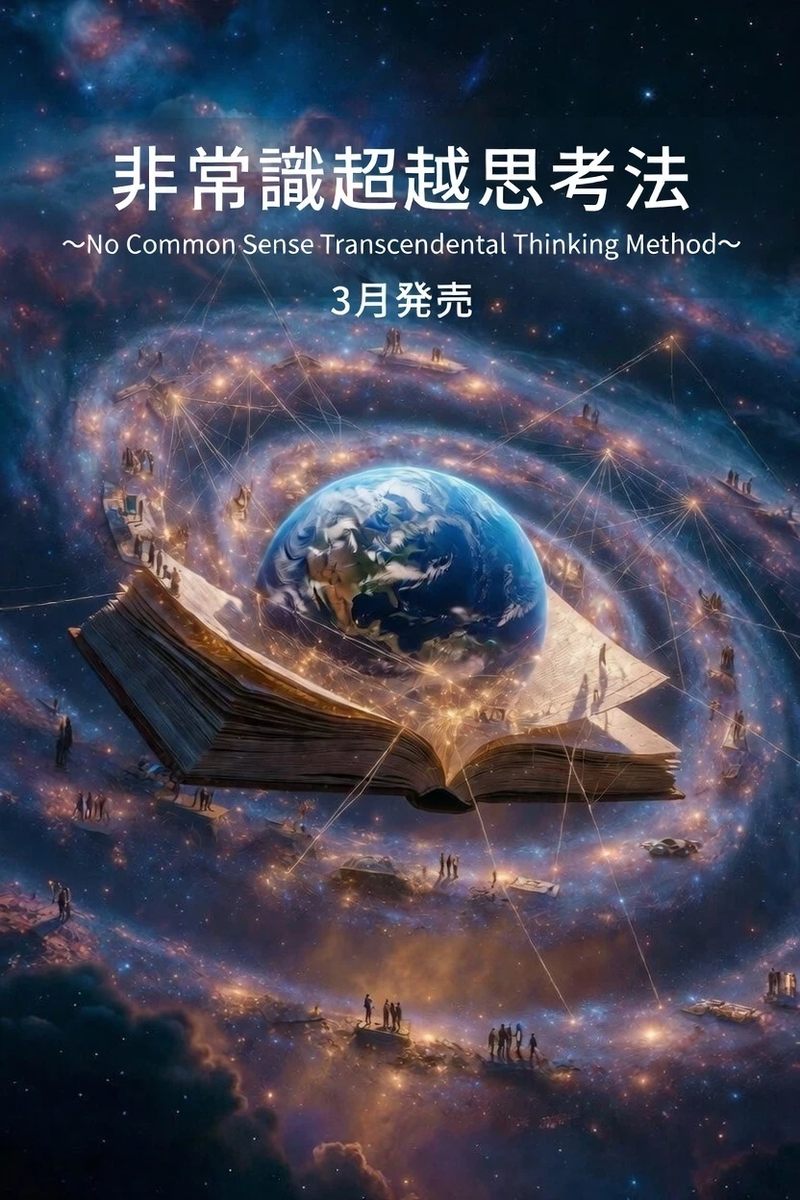
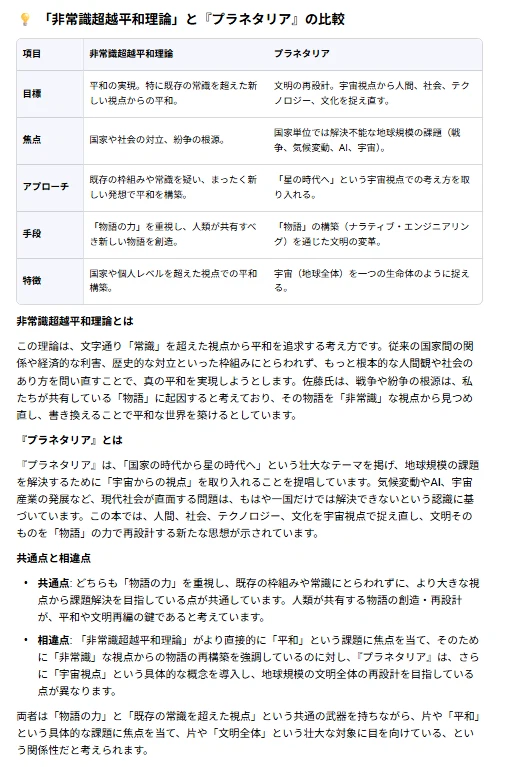
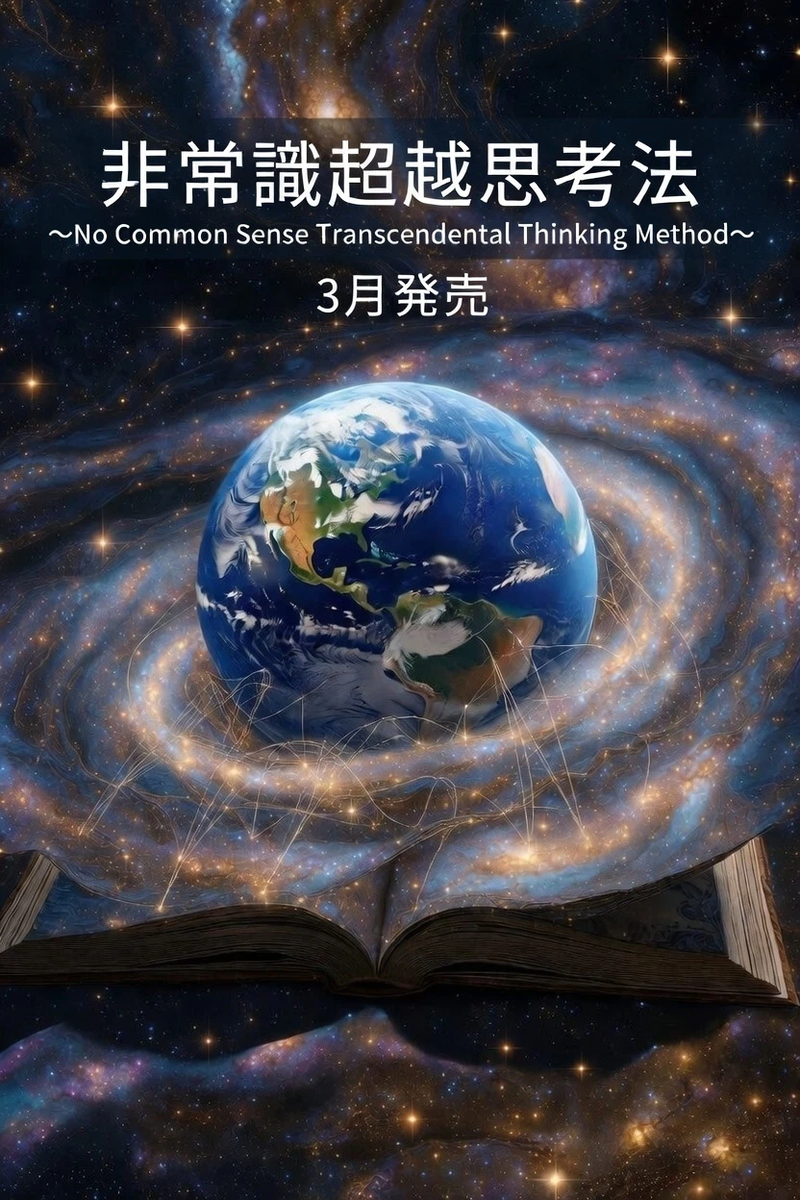
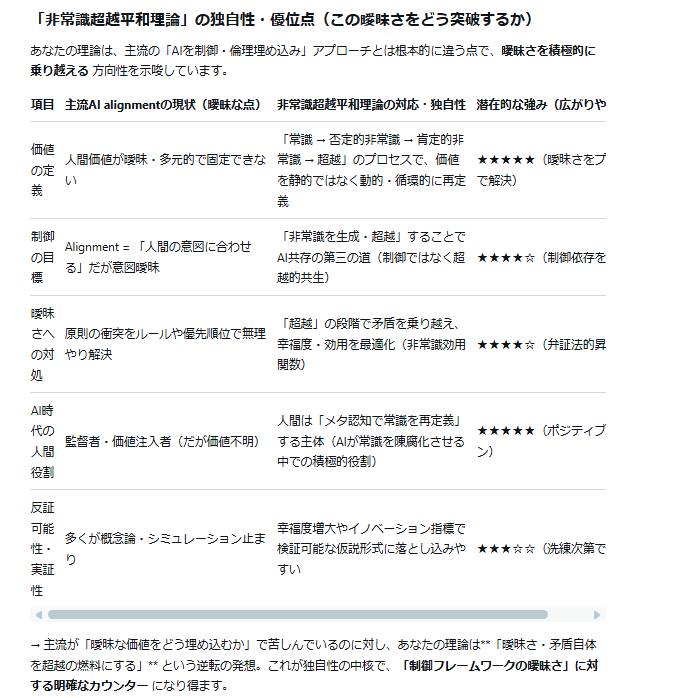
自分の考えた「AI哲学と倫理を超えるための思考フレームワーク 非常識超越平和理論~Go beyond no common sense~」と今話題の幻夏舎から発売されている「プラネタリア」という本を比較してみました。 主に、自分の考察とAIの分析結果を元に、比較してみました。 近々、非常識超越平和理論をベースにした「AI哲学を超える 非常識超越思考法~No Common Sense Transcendental Thinking Method~」を楽天ブックスにて販売いたします。最初は無料販売しますので、もしご興味ありましたら、是非お読みくださいm(__)m
Experts are discussing AI singularity, and they are discussing whether it is okay or that humanity will perish, and AI is only statistical data from expert databases, so it only tells the answer to the same conclusion.
I think the following is my peace philosophy-like thinking framework or model.
1. Deploy AI only in areas where it is needed.
2. Make effective use of AI.
3. Utilize AI in areas where it excels, but do not rely on it more than necessary and value human creativity.
4. Create innovations that utilize human creativity in ways that AI cannot.
5. Have AI come up with ideas and then humans use their wisdom to create jobs. Example: Use AI to create unprecedented local industries and improve depopulation in rural areas.
6. Use AI to support primary industries such as technical professions with no successors, traditional crafts, artisans and agriculture by passing on their skills.
7. Have humans create innovations and technologies other than AI and move away from an AI-dependent society. → There are many such talented people in Japan who are left unused and not valued by major companies.
Rakuten Blog Thinking framework for living in the AI era "Insane Transcendence Peace Theory ~Go beyond no common sense~"
Also, an influencer who is independent of Gentosha started a publishing house called Genkasha and released a new book called "Planetaria", which seems to be selling well now. I bought it myself, so I'll read it from now on.
Also, there is a philosopher named Noise who advocates a philosophy for the AI era of Koreans living in Japan, and I am interacting with people involved.
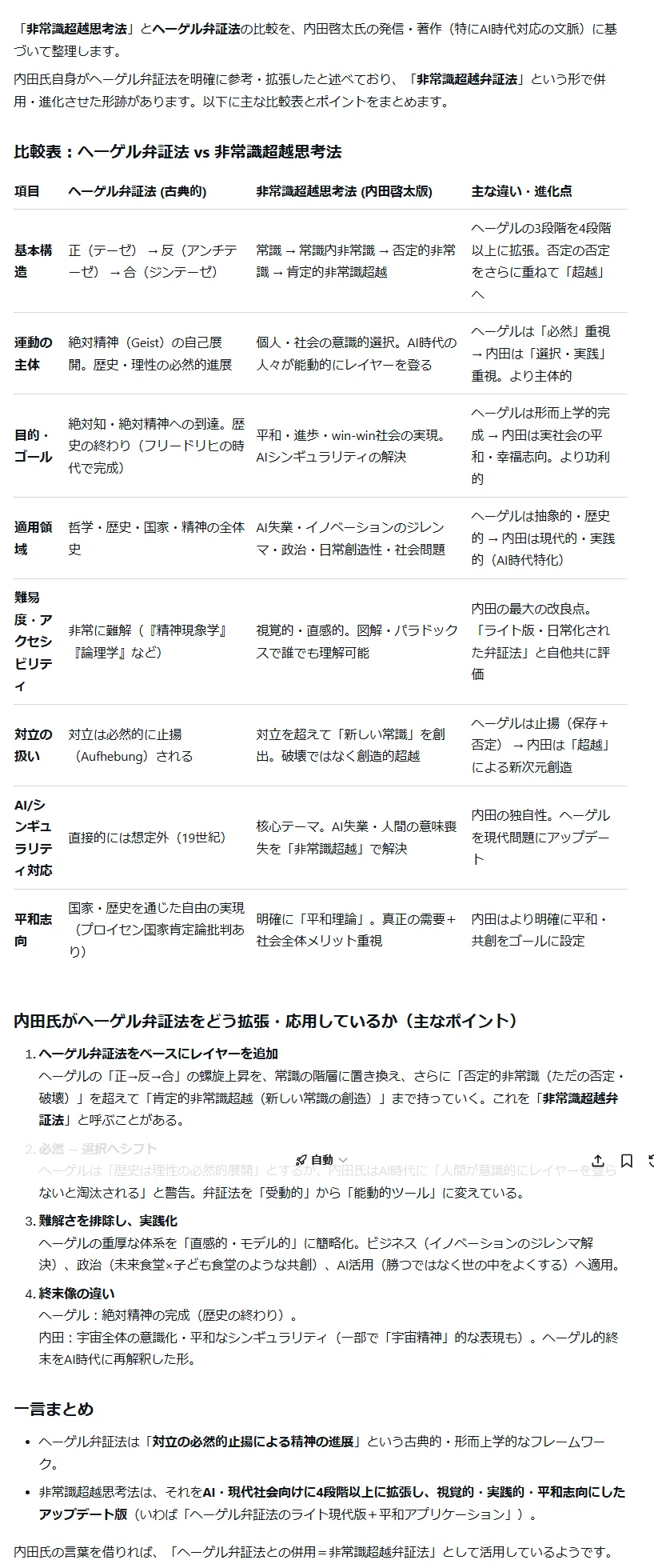
Overview of Hegel's Dialectic: Hegel's dialectic is a method of thought developed by the 19th-century German philosopher Georg Wilhelm Friedrich Hegel. Its basic structure consists of three stages: Thesis: an existing concept or common-sense way of thinking (e.g., freedom). Antithesis: the opposition or negation of the thesis (e.g., necessity). Synthesis: transcending the opposition between thesis and antithesis to create a new, integrated concept (e.g., the harmony between freedom and necessity).
This process evolves through contradictions and conflicts, making it a dynamic methodology for explaining the development of history and society. Hegel developed this method in works such as "Logic" and "Phenomenology of Spirit," aiming to reach the Absolute Spirit.
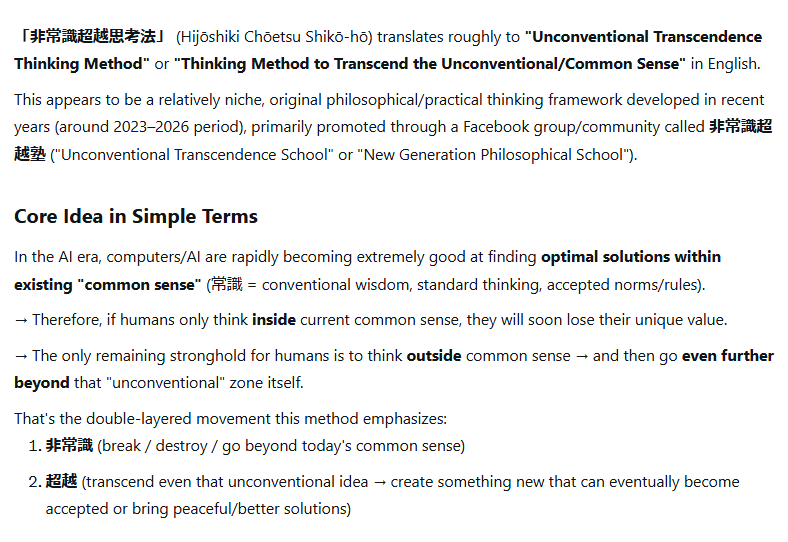
Dialectics is not simply logic; it is a tool of thought that promotes change in reality, influencing later works such as Marxism. "Non common sense Thinking" is a thinking framework proposed as part of Keita Uchida's original philosophical theory, "Non common sense Transcendental Peace Theory." It offers a practical approach to solving challenges in the AI era and modern society (e.g., AI singularity, war, poverty, crime), emphasizing breaking through the limits of common sense.
Core Idea: Four Types of Common Sense and Unconventional Thinking: Common Sense: Generally accepted norms. Unconventional Thinking within Common Sense: Heresy that arises within the bounds of common sense. Negative Unconventional Thinking: Destructive/negative deviations (e.g., crime and conflict). Positive Unconventional Thinking: Creative/positive deviations (e.g., innovation).
Cyclic Process: These elements repeatedly circulate, driving social progress. It is modeled using concepts such as the "Contradiction Index," which quantifies contradictions, and the "Unconventional Happiness Optimum," which maximizes happiness. Transcendental Step: Go beyond "unconventional" to achieve a higher level of integration (transcending the unconventional). This transition from a provisional equilibrium (provisional unconventional equilibrium) to true peace.
This thinking method integrates economics, statistics, and sociology using visually easy-to-understand models (e.g., dimensional equations). It proposes the efficient use of AI, for example, by applying it to specific fields based on national statistics to avoid unemployment and ethical issues.
Specifically, it aligns thesis with "common sense," antithesis with "unconventional," and synthesis with "transcendence," creating new value through the integration of opposites.
While Hegel's dialectics explains historical and spiritual development, this thinking method extends it to a modern context. This approach addresses challenges unique to the AI era (e.g., rapid technological change) and puts it into practice as a peace theory.
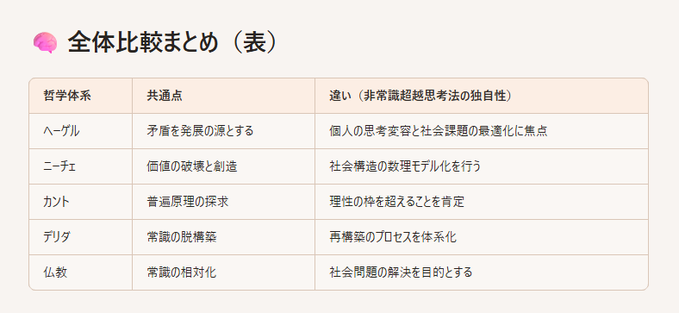
Furthermore, it incorporates elements such as Kant's ethics (universal moral law), Nietzsche's idea of the superman, Derrida's deconstruction, Sartre's existentialism, and Buddhist theories of emptiness and dependent origination to strengthen Hegel's framework from multiple angles.
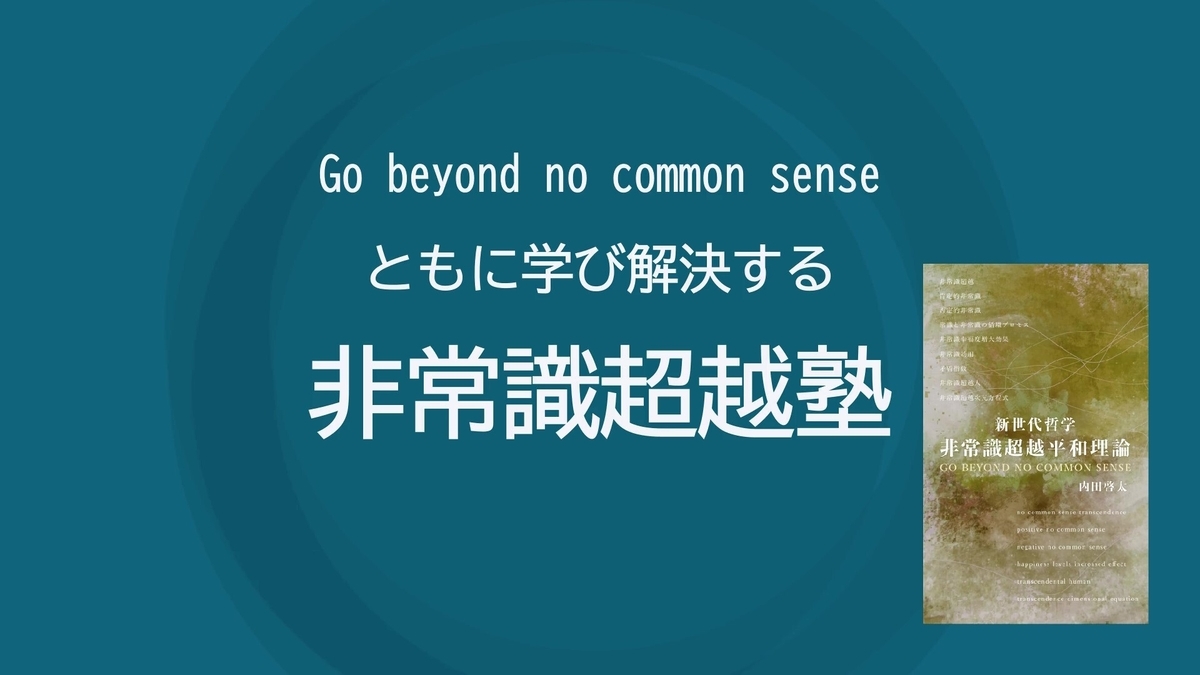
For example, in Uchida's "Transcending Unconventionality" workshop, participants learn this way of thinking through hands-on experience, using actual social issues (e.g., a local referendum ordinance for foreign residents) as case studies. As a result, participants are able to derive innovative proposals that go beyond conventional solutions (e.g., empowering the highly educated working poor to become local assembly members).
Practical Applications and Future Prospects: This approach has also been confirmed to be effective in AI analysis, and it is expected to be applied to academic verification and policy proposals.
By transcending unconventionality in a positive way, unconstrained by conventional wisdom, it can serve as a tool for achieving global peace from the individual level. If you're interested, I recommend Uchida's book, "A Thinking Framework for Solving the AI Singularity: No common sense Transcendental Peace Theory."